go.dev/blog/gopher
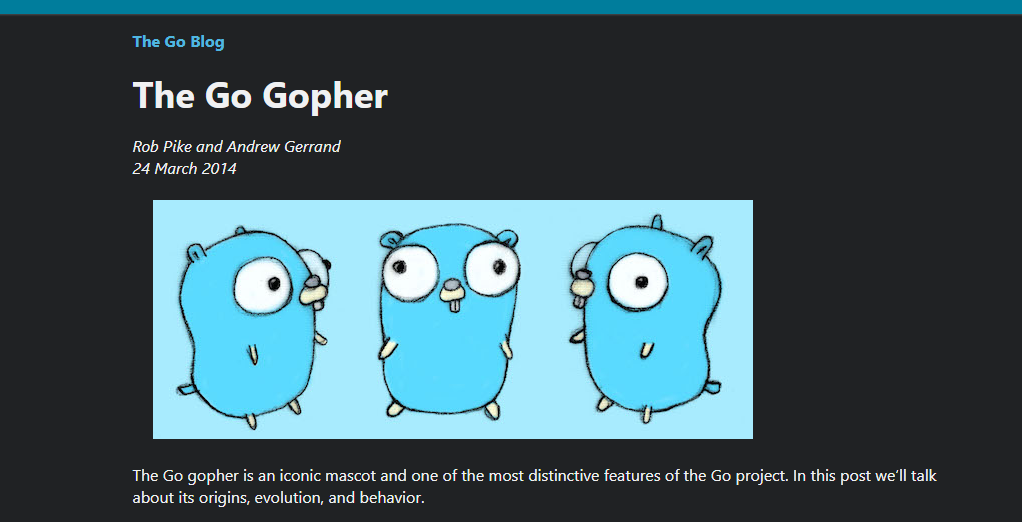
24 Mar 2014
Read on go.dev ↗
“The Go Gopher”
Rob Pike and Andrew Gerrand on the Go blog: an iconic mascot and one of the most distinctive features of the Go project.
The Go Gopher has been the face of Google's programming language since 2009. Millions of developers call themselves gophers. Now the gopher has a ticker.
Robinhood Chain · pair GOPHER/GOOGL · verify the address before you swap
 est. 2009
× $GOOGL
package gopher
est. 2009
× $GOOGL
package gopher
The official mascot of Go, the open-source programming language created at Google and used inside Google itself.
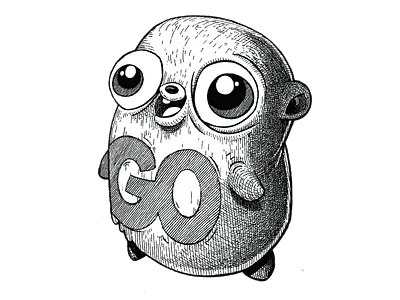
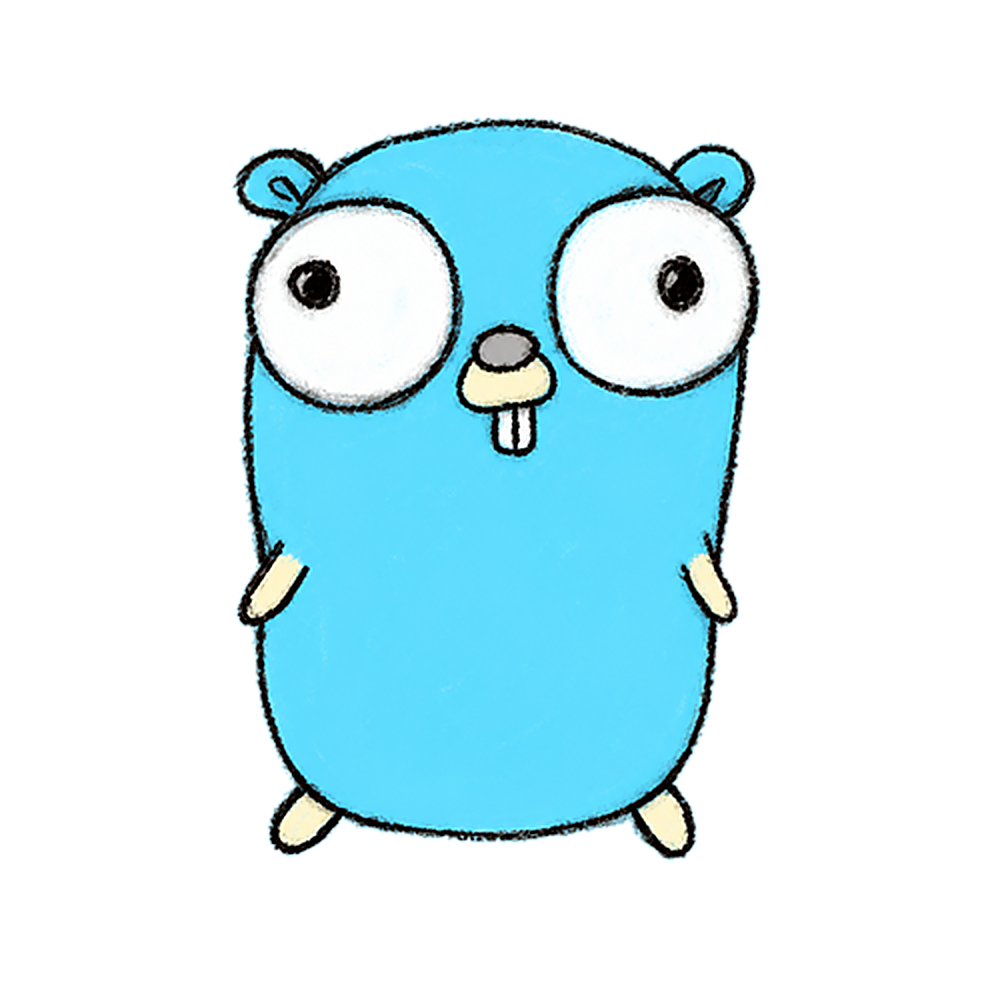
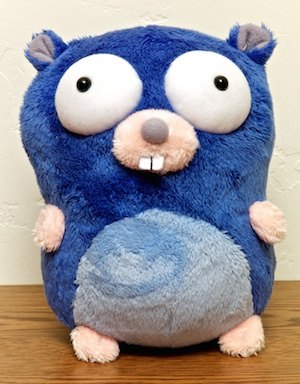
Created by Renée French, the Gopher became Go's mascot for its 2009 open-source launch. Google later turned him into plush toys for Google I/O and vinyl figures for OSCON. Go's own website uses the Gopher as its favicon, and the full history is documented on go.dev.
Today Go is used by millions of developers who call themselves “gophers.” There's an annual conference, GopherCon, running since 2014. Its 2026 edition was in Seattle, August 3–6, and the organisers still call attendees “your gopher friends.”
In the last few weeks alone the gopher headlined Google's Genkit Go announcement and the Go 1.27 release notes. Seventeen years in and he's still on the front page.
A mascot since 2009. Millions of gophers. An entire developer culture. Now $GOPHER comes onchain.
Paired with $GOOGL on Robinhood Chain. The mascot, next to the company that raised him.
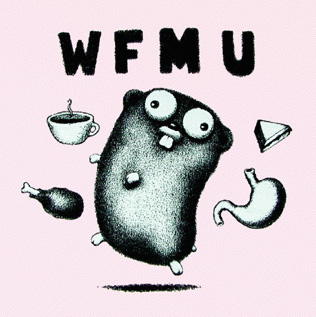
Renée French draws a wide-eyed gopher for a WFMU radio T-shirt. The Go gopher is later derived from it.
Go goes open source with the Gopher as its mascot. The Go FAQ covers it under a Creative Commons Attribution 4.0 license.
Rob Pike and Andrew Gerrand publish “The Go Gopher” on the Go blog. The first GopherCon is held.
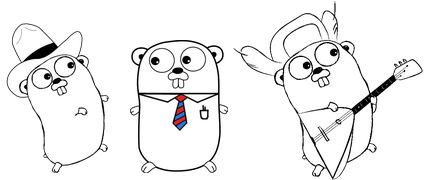
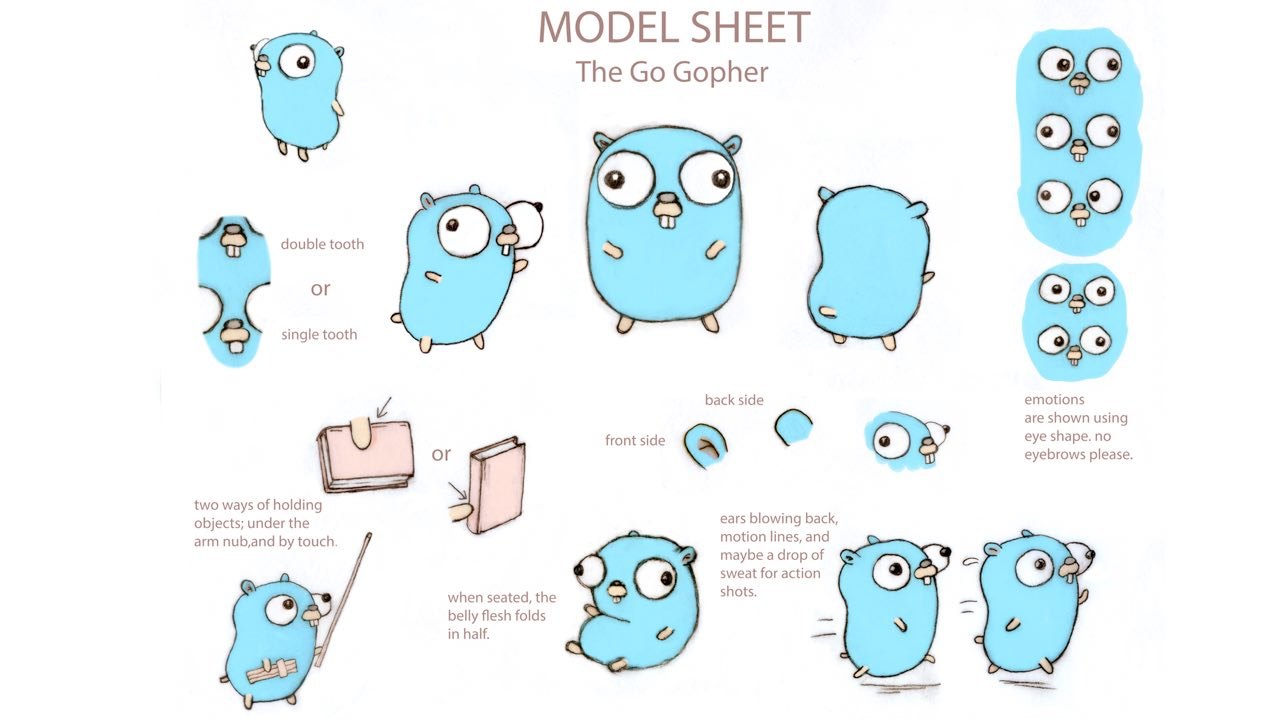
Renée presents the gopher model sheet at GopherCon: hat gopher, tie gopher, balalaika gopher. He's the Go gopher, not just any gopher.
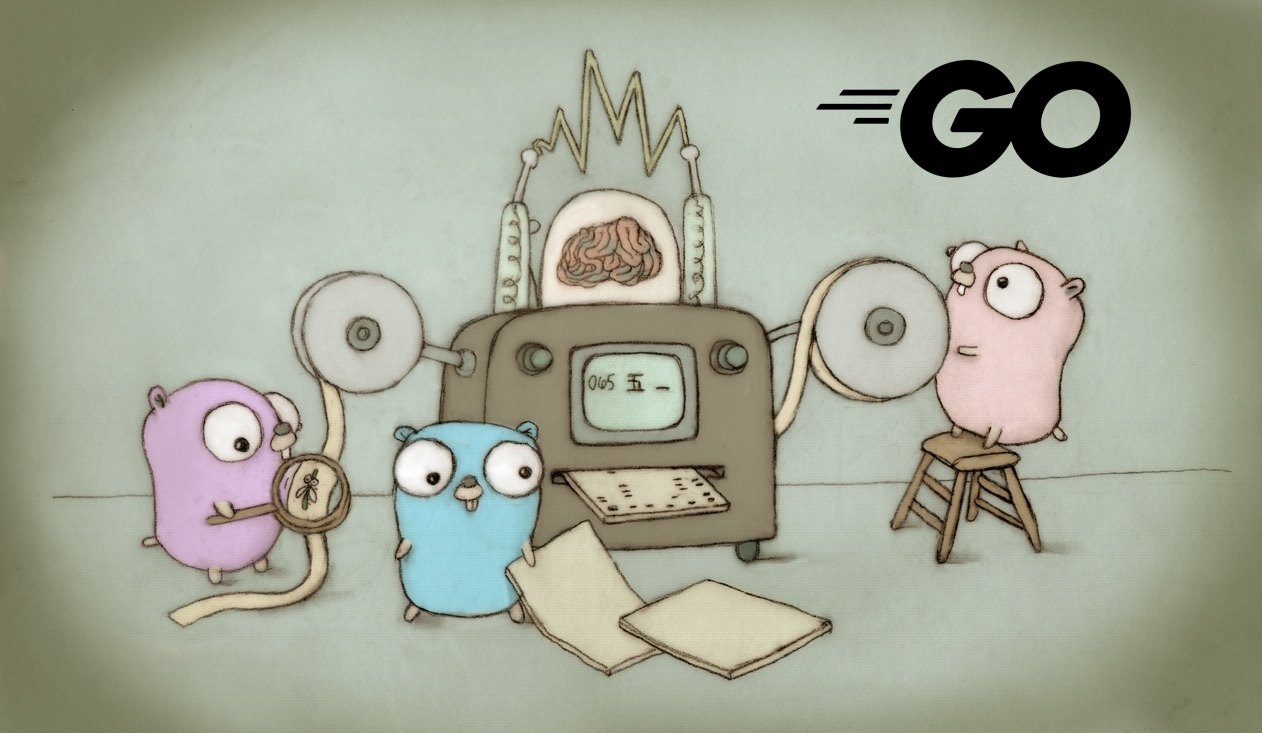
Gophers front Google's Agent Skills in Genkit Go announcement.
Go 1.27 ships, with a Gopher struct in the release notes. GopherCon 2026 fills Seattle, August 3–6.
$GOPHER launches on Robinhood Chain, paired with $GOOGL.
From a radio station T-shirt to a Google plush toy. All documented on the Go blog.
Everything on this page is public, official, and linked. Screenshots straight from go.dev and Google's own developer blog.
Rob Pike and Andrew Gerrand on the Go blog: an iconic mascot and one of the most distinctive features of the Go project.
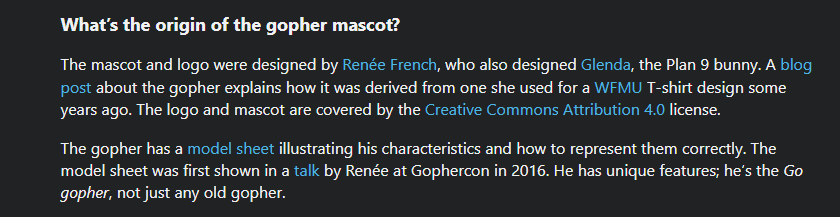
Designed by Renée French. Derived from a WFMU T-shirt. Licensed CC BY 4.0. He's the Go gopher, not just any old gopher.
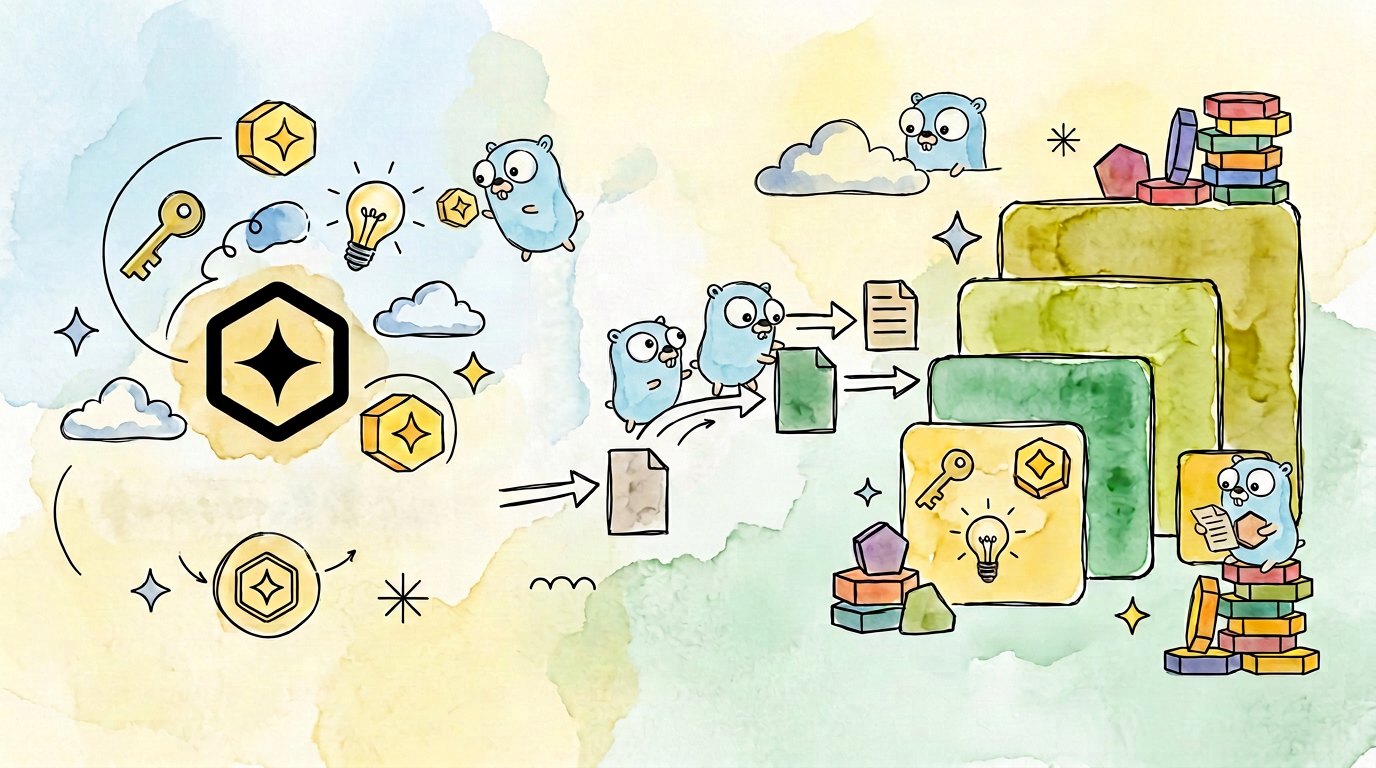
Google's developer blog announced Agent Skills in Genkit Go with a full watercolour banner of gophers. The mascot is still doing the heavy lifting for Google in 2026.
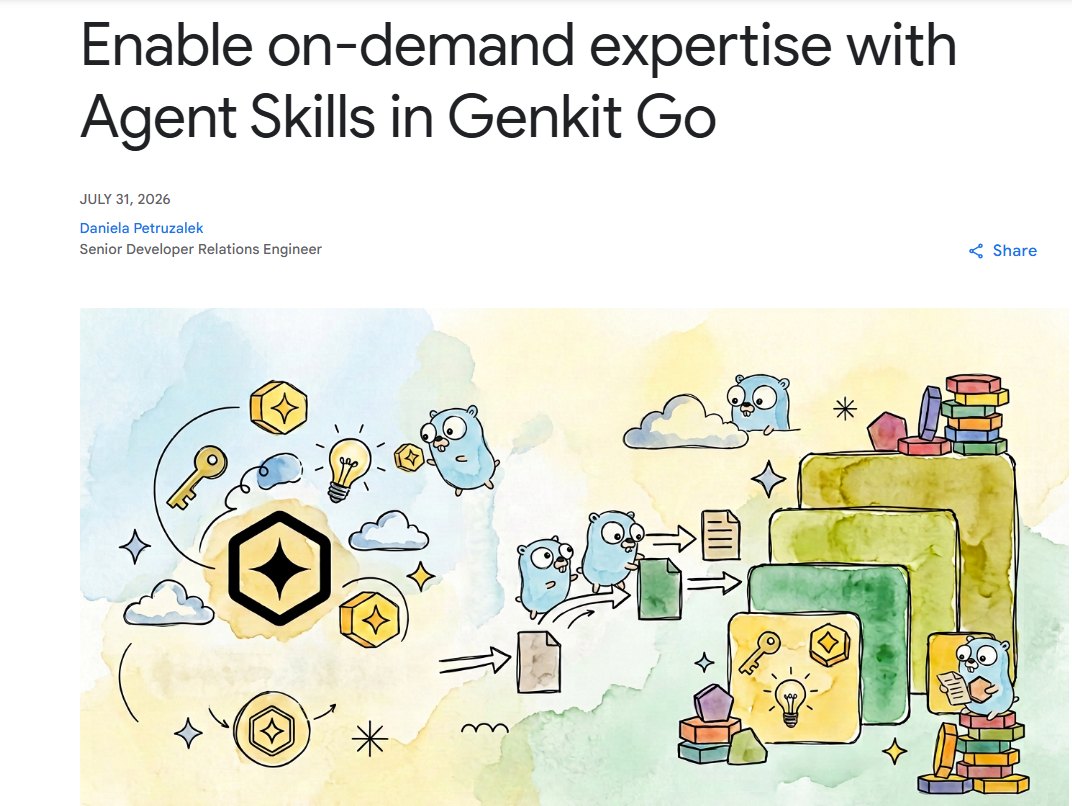
Daniela Petruzalek, Senior Developer Relations Engineer at Google. Gophers above the fold.
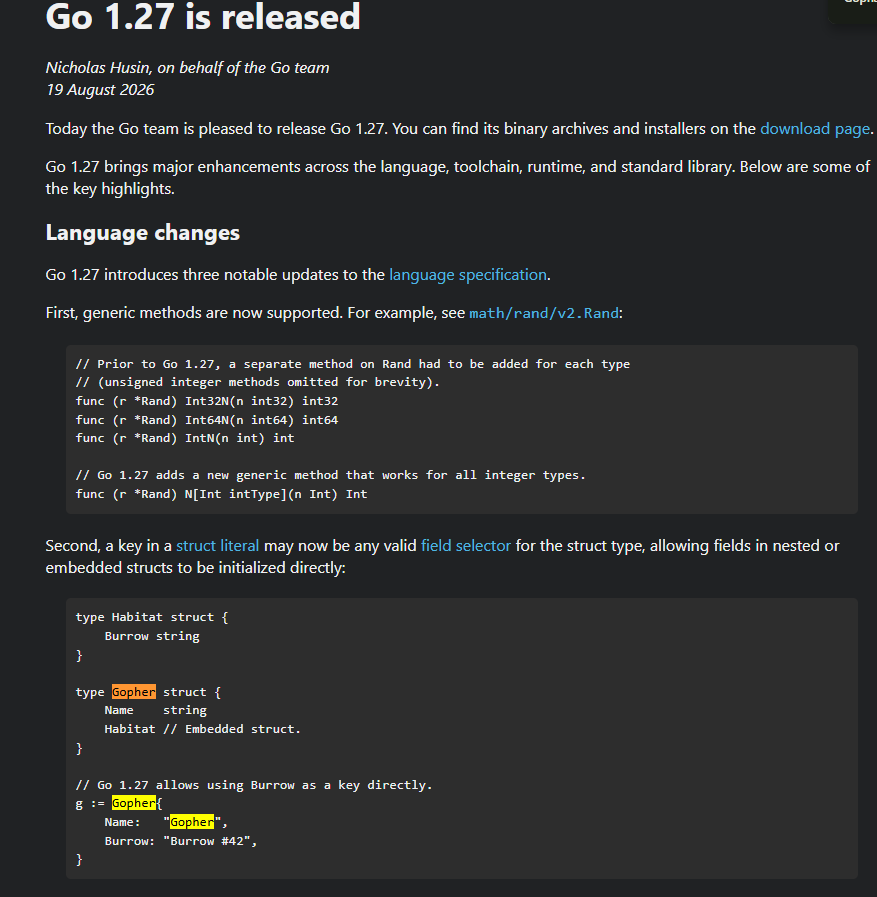
Gopher structThe Go team's latest release notes literally use type Gopher struct to demonstrate the new language features.
Robinhood Chain brings tokenised stocks onchain. $GOOGL is Google. The gopher is Google's. So $GOPHER trades against the company that made him.
No new story was invented for this. The mascot was already Google's. The chain already had $GOOGL. We just introduced them.
Four steps. Match the network and the full contract address before you confirm anything.
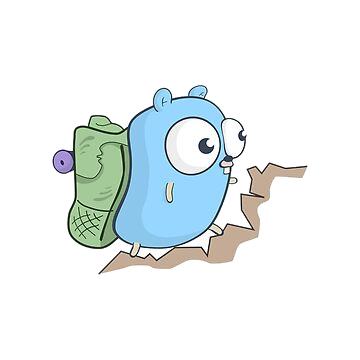
Use a self-custody wallet that supports Arbitrum-based networks, such as MetaMask or Rabby. Keep some ETH for gas.
Add the network from an official source and bridge funds across through the verified route.
Open the DEX and paste the full $GOPHER address from this page. Never search by ticker alone: GOPHER can be copied, the address can't.
Check network, token address, amount and fees. Confirm only when every detail matches. Welcome, gopher friend.
Know the gopher. Check the token.
Official contract address for $GOPHER on Robinhood Chain
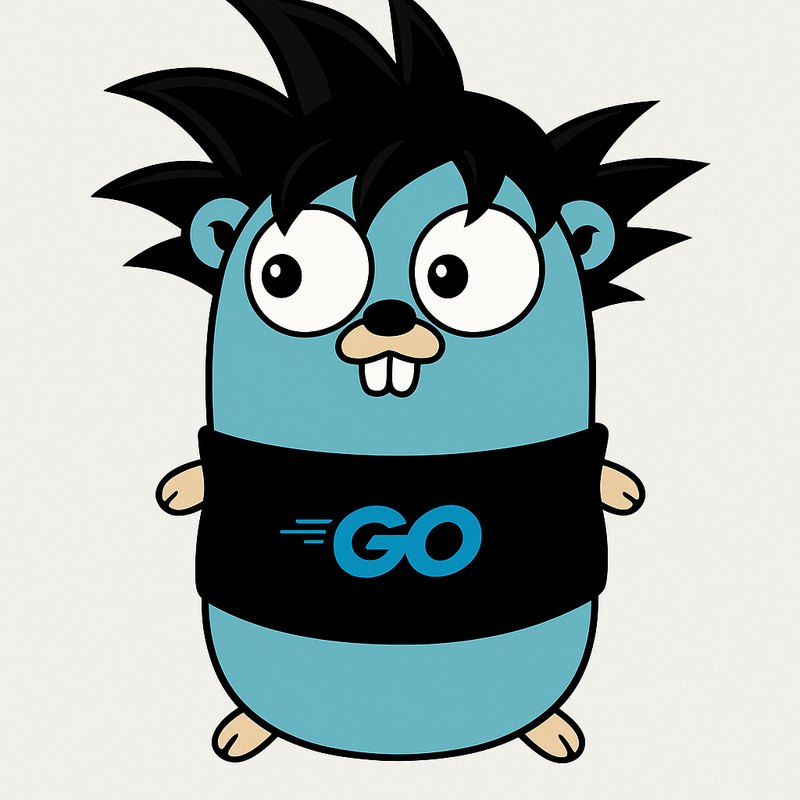
Same gopher, seventeen years of training. Verify the address, then join the gophers.
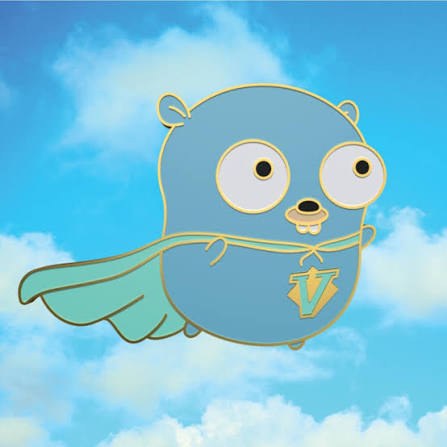
Seventeen years as Google's mascot. One ticker. Paired with $GOOGL on Robinhood Chain.